


John is listed on the World War Two memorial plaque as John A T Banks. The declaration of war was broadcast by the Prime Minister Neville Chamberlain on the wireless at 11.15 am on 3rd September 1939 and John died just seven days later and, along with his mates, must have been one of Britain’s first World War 2 deaths.
He was born on 16th May 1908 in Kandy, Ceylon now Sri Lanka to Alfred George Banks and his wife Kate. Alfred had gone to Ceylon to work as an engine driver having worked his way up from engine cleaner then fireman. The couple eventually returned to England in July 1923 when they gave their intended address as 87 Taybridge Road, Battersea. John was then aged fifteen.
John joined the Royal Navy in April 1924 serving as a Boy Second Class on HMS Impregnable a shore training establishment. He was promoted to first class in December of that year and by May 1925 he was an Ordinary Seaman on HMS Royal Oak which was to be torpedoed and sunk at Scapa Flow, Orkney Islands on 14th October 1939 with a loss of 835 men including 134 boy seamen.
Over the following years John served at various establishments and was promoted to Able Seaman in August 1927. He was demobilised on 3rd October 1938 and transferred to the Royal Fleet Reserve. He was recalled and posted to HMS Oxley on 31st July 1939. By this time he had two good conduct badges.
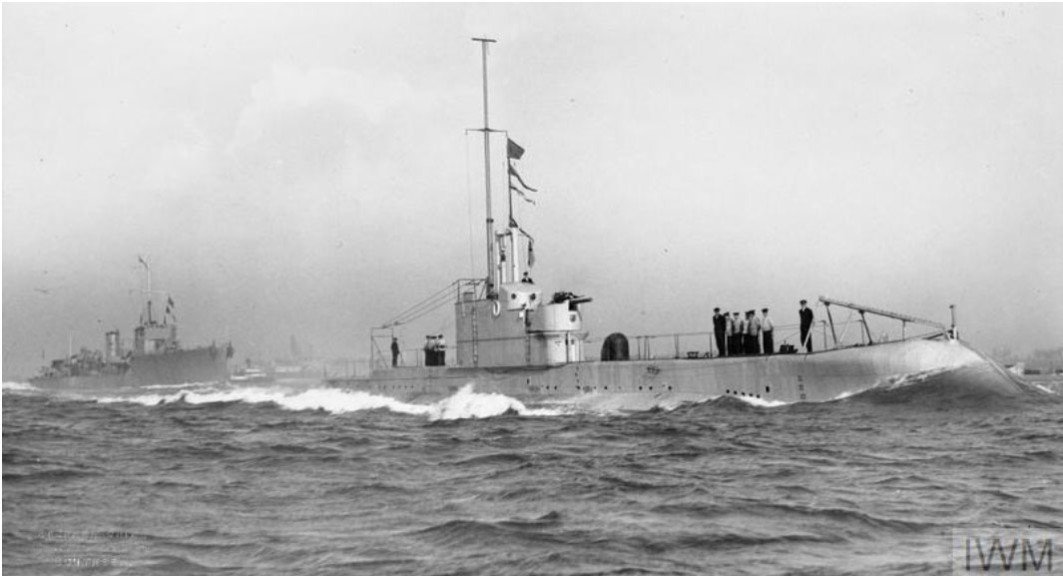
HMS Oxley was an Odin Class submarine built for the Royal Australian Navy and commissioned in April 1927. She was subsequently transferred to the Royal Navy in April 1931. At the outbreak of the war Oxley was part of 2nd Submarine Flotilla, based on the depot ship HMS Forth, of five submarines and assigned to patrol off the Norwegian coast near Obrestad.
At 8.45 pm HMS Triton, another of the flotilla which had surfaced earlier to recharge her batteries, saw another submarine on the surface but not in the position that they were expecting. Oxley had drifted out of position and had surfaced. Triton tried on three occasions to contact them using signalling lamps plus sending up three green grenade flares but received no reply. Oxley was reported to be low in the water and was not identifiable visually from Triton. Believing the Oxley to be a German U-boat two torpedoes were fired at Oxley which caused her to sink with the loss of fifty-three crew members. Two were rescued the captain and an able seaman. A court of enquiry was held that exonerated Triton’s captain and laid the blame mainly on Oxley’s officer of the watch.
The circumstances of the sinking of Oxley, the first submarine to be lost, was kept secret until the 1950s. Winston Churchill announced in the House of Commons that she had been destroyed by an accidental explosion and it was suggested that the boat had a rather chequered past.
John had married Margaret Edith Hill in 1935 and the couple had a son John born on 6th February 1936 so left a widow and son who, by the time the 1939 register was completed, were living with John’s parents at Colonsay in South Woodham Ferrers. Margaret subsequently remarried.
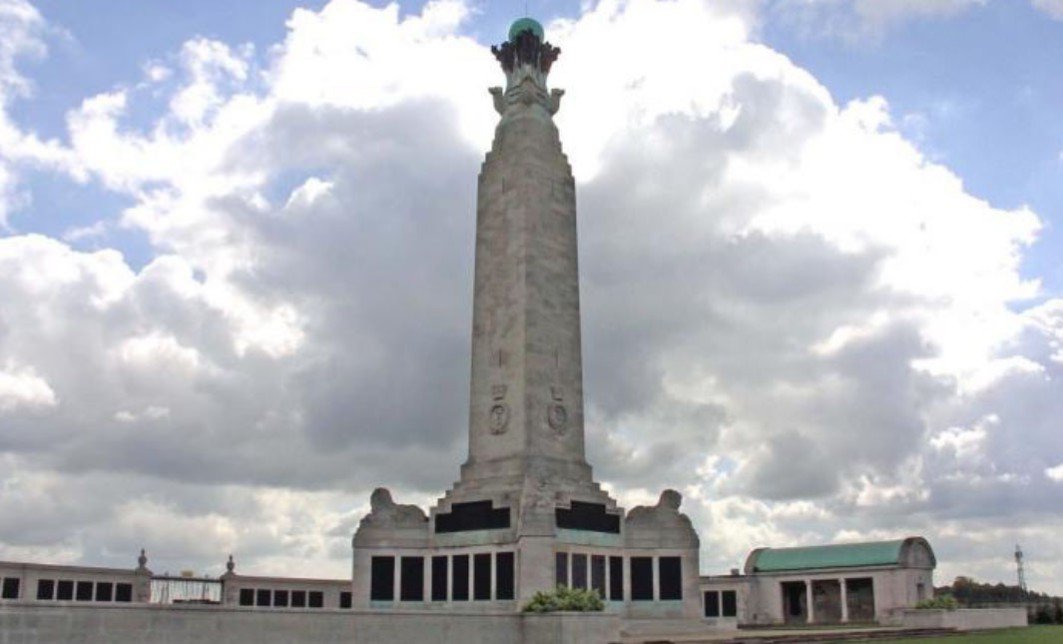
John is remembered, in addition to the plaque in St Mary’s Woodham Ferrers, on the Chatham Naval Memorial and the Dundee International Submarine Memorial which commemorates 296 sailors and commandos who were lost on active service from the submarine base at Dundee where 2nd Submarine Flotilla was based.