


Alfred was born in 1892 in Woodham Ferrers and was baptised at St Mary’s Church on 21st February of that year. His parents were Charles Wake Eaton, a bricklayer, and his wife Mary Elizabeth. At the of the 1911 census Alfred, by then employed as a house painter, was living with them and two brothers in Bicknacre very close to the Brewers Arms.
He enlisted as a volunteer at Chelmsford in November 1915 but was posted to the army reserve. His address at the time was given as Laburnum Cottage, Bicknacre and he was employed at Hoffmans in Chelmsford. Hoffmans was a major manufacturer of ball bearings, vital to the war effort and that may have been why Alfred was posted to the army reserve at the time.
He was mobilised in January 1917 and posted to the 3rd Battalion The Norfolk Regiment which was a reserve battalion that never served overseas. He landed in Boulogne on 1st April 1917 and was initially posted to 258 Tunnelling Company but joined 8/Norfolk Regiment on 22nd September when he would have been involved with his battalion in the 1st Battle of Passchendaele in the Ypres Salient on 12th October. His time with the battalion was just about thirty days before he was killed in action ten days later.
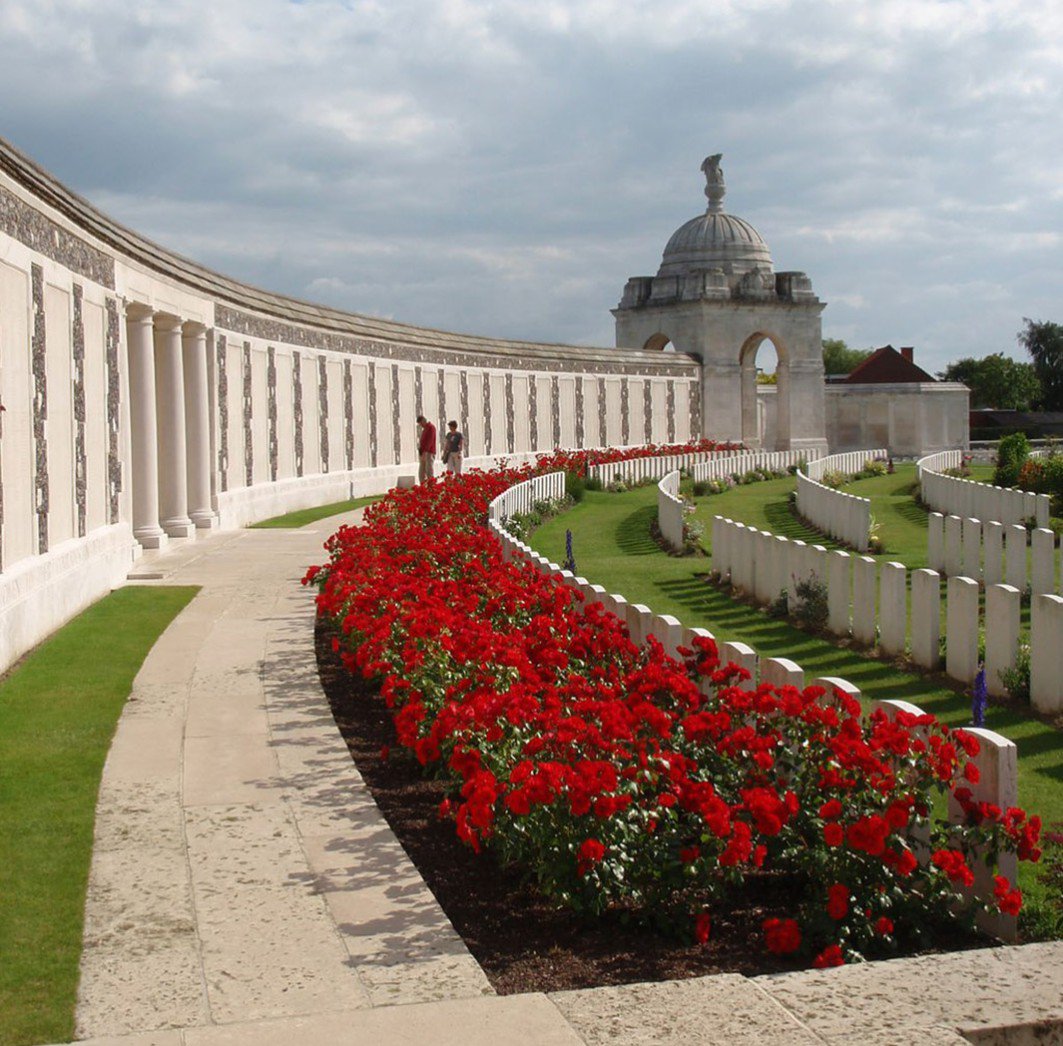
The battalion was involved at the time with the 10th Battalion Essex Regiment in an attack as part of the Poelcappelle Operation in the Ypres salient. They attacked, in the rain, a little before 06.00 behind a rolling artillery barrage, over terrain described as a muddy desolation of shell holes and they, together with 10/Essex, eventually took the village of Poelcappelle. The battalion suffered 34 officers and men killed, 158 wounded and 39, including Alfred, missing in action. He was subsequently confirmed as killed in action but his body was never identified. Poelcappelle Cemetery contains nearly 7,500 burials of which 6,321 remain unidentified some of which are for men of 8/Norfolk Regiment killed on 22nd October so it is very possible that Alfred was buried there. He, together with nearly 35,000 allied officers and men killed in the Ypres Salient after 16th August 1917 with no known grave, is commemorated on the Tyne Cot Memorial. He was subsequently awarded the British War Medal and the Victory Medal.